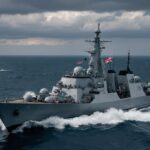



- US forces, acting alongside Israel, have struck Iran’s Kharg Island — the terminal handling roughly 90% of Iran’s crude oil exports — on Day 15 of active conflict.
- Tehran has issued a direct threat of oil retaliation, raising the prospect of Strait of Hormuz disruptions that could affect 20% of global oil supply.
- The strike marks the most economically consequential military action of the conflict so far, sending shockwaves through energy and financial markets.
The Strike That Could Redraw Energy Markets
US forces, coordinating with Israel, have struck Kharg Island — Iran’s dominant crude oil export hub — on the 15th day of active military operations. President Trump confirmed the attack, marking a dramatic escalation beyond military infrastructure into the heart of Iran’s economic engine. Kharg Island processes an estimated 90% of Iran’s oil exports, making this strike far more than a tactical military move; it is a direct blow to Tehran’s financial lifeline.
The timing is critical. Global oil markets were already jittery from 14 days of regional instability. This strike removes any remaining ambiguity about the conflict’s economic dimensions — and forces every energy-dependent economy from Tokyo to Frankfurt to reassess its exposure overnight.
Tehran’s Retaliation Threat — and What It Means for Hormuz
Iran’s government wasted no time responding. Senior officials in Tehran issued explicit warnings of oil-based retaliation, with analysts immediately flagging the Strait of Hormuz as the most likely pressure point. The Strait serves as the chokepoint for approximately one-fifth of global oil flows daily. Any Iranian move to mine, blockade, or militarily threaten the waterway would trigger an instant supply shock across Asian and European markets that are already stretched thin heading into the second half of 2025.
“Kharg Island processes roughly 90% of Iran’s crude oil exports — striking it is not a military gesture, it is an economic ultimatum.”
Crypto and Regional Finance Feel the Pressure
In the Gulf, financial operators are watching the conflict’s acceleration with acute concern. Dubai and Abu Dhabi markets opened under pressure as investors processed the news, while Bitcoin and safe-haven crypto assets saw renewed interest from regional traders hedging against fiat currency volatility tied to oil price swings. A sustained disruption to Gulf oil flows would reshape capital allocation patterns across the entire MENA region for months.
What Comes Next — Escalation Ladder or Negotiation?
Diplomatic back-channels remain active, with Qatar and Oman reportedly engaged as intermediaries. However, the Kharg Island strike sets a new threshold. Iran’s leadership now faces a stark choice: absorb the economic damage and seek de-escalation, or activate retaliatory mechanisms that would drag global energy infrastructure into direct conflict. Neither path is clean. Brent crude traders are pricing in a sustained risk premium, with forward contracts reflecting expectations of prolonged instability through Q3 2025.

Gulf Investors on High Alert
For institutional investors and sovereign wealth funds headquartered across the Gulf, this is no longer a geopolitical sideshow. The direct targeting of oil export infrastructure by a US-Israeli coalition represents a scenario stress-tested in boardrooms but rarely seen in practice. Portfolio managers across the region are now urgently reviewing energy sector exposure, hedging strategies, and liquidity buffers as the conflict enters what could be its most volatile phase yet.
The Kharg Island strike transforms this conflict from a regional military engagement into a direct threat to global oil supply chains — and that changes the calculus for every Gulf-based investor. If Tehran follows through on Hormuz threats, crypto assets and gold will likely surge as traders flee oil-exposed equities and regional currencies. Dubai’s position as a financial hub between East and West puts it squarely in the crosshairs of the economic volatility now unfolding, and operators here need contingency frameworks active immediately — not next week.