


✅ Verified
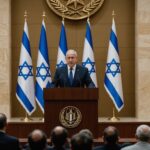
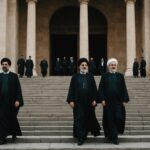
Donald Trump has publicly called for an Iranian uprising against the current government, echoing rhetoric that foreign policy analysts compare to failed US interventions in Iraq three decades ago. The US president’s statement comes as Iranian protesters continue demonstrations in several provinces, with Tehran attributing the unrest to external interference.
The parallel to 1991 Iraq has drawn attention from Middle Eastern governments and policy experts worldwide. During the Gulf War’s aftermath, the US encouraged Iraqi Shia and Kurdish populations to rebel against Saddam Hussein’s regime but withdrew support when uprisings began, leaving rebels exposed to brutal government retaliation.
Regional Powers Watch Washington’s Next Move
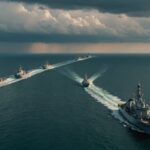
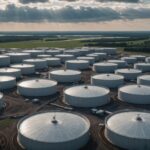
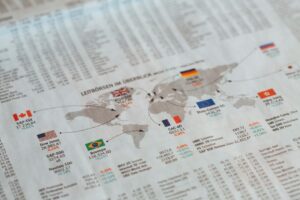
Gulf states are monitoring American intentions closely, with several governments privately expressing concern about potential spillover effects across the region. Iranian crude oil prices have fluctuated in response to the uncertainty, affecting global energy markets from Asia to Europe.
The key point: Military strategists note that while modern presidents can easily amplify calls for regime change through social media and diplomatic channels, the complex task of managing post-conflict outcomes remains unchanged since 1991. Iranian government officials have dismissed Trump’s statements as interference in domestic affairs.

📰 Related Articles
⚡ TechSyntro Take
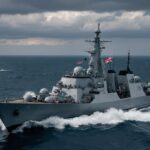
Watch for concrete US military positioning in the Gulf within 30 days — rhetoric without troop movements suggests this remains diplomatic posturing. Regional energy markets will price in escalation risk regardless of actual US commitment levels.
📰 Source: BBC News · Reported by TechSyntro

By Sarah Mitchell
Technology Correspondent · TechSyntro
Sarah Mitchell is TechSyntro’s technology correspondent, specialising in AI, cybersecurity, and the future of work. Previously at VentureBeat.
Follow: @SarahMitchellTS