



✅ Verified
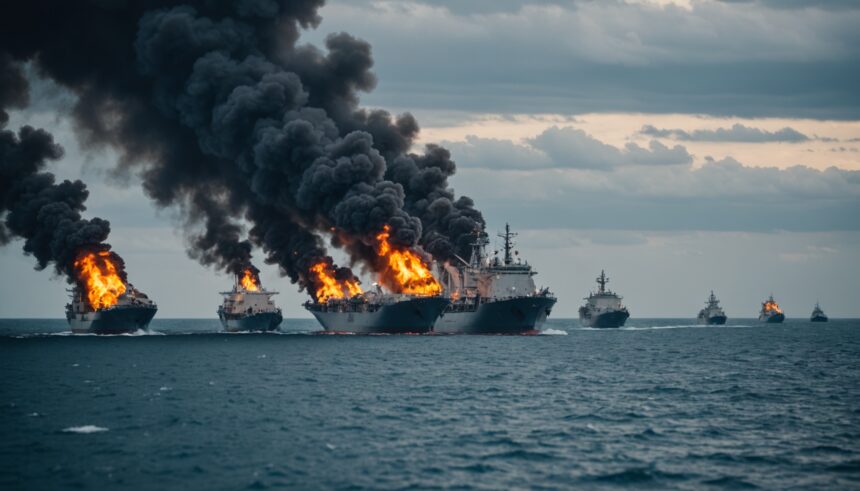
US Central Command destroyed 16 Iranian minelayer ships near the Strait of Hormuz as part of Operation Epic Fury, military officials confirmed Thursday. The targeted vessels were part of Iran’s naval force that has rendered the critical shipping passage “all but impassable” since hostilities began 12 days ago.
The Strait of Hormuz normally carries one-fifth of global oil shipments, making the blockade a critical concern for energy markets worldwide. Asian economies including India, Japan and South Korea — which rely heavily on Middle Eastern crude — face potential supply disruptions that could drive fuel costs higher across the region.
Regional Impact Spreads Beyond Gulf
The naval confrontation has forced oil tankers to seek alternative routes around Africa, adding weeks to journey times and increasing shipping costs. African ports from Durban to Lagos are reporting increased tanker traffic as vessels avoid the Gulf entirely.
The key point: Iran and US forces continue exchanging missile and drone strikes across the Gulf, with no indication either side plans to de-escalate the maritime standoff that began nearly two weeks ago.

📰 Related Articles
⚡ TechSyntro Take
Watch for emergency meetings between OPEC+ producers and major Asian oil importers within 48 hours — India and China cannot sustain extended Strait closures. African coastal nations with deep-water ports should prepare for unprecedented tanker volumes as global shipping routes permanently shift southward.
📰 Source: Bloomberg Markets · Reported by TechSyntro

By David Okonkwo
Markets & Finance Reporter · TechSyntro
David Okonkwo covers global financial markets, cryptocurrency, and economic policy for TechSyntro. Based in London with a background in financial analysis.
Follow: @DavidOkonkwoTS