



✅ Verified
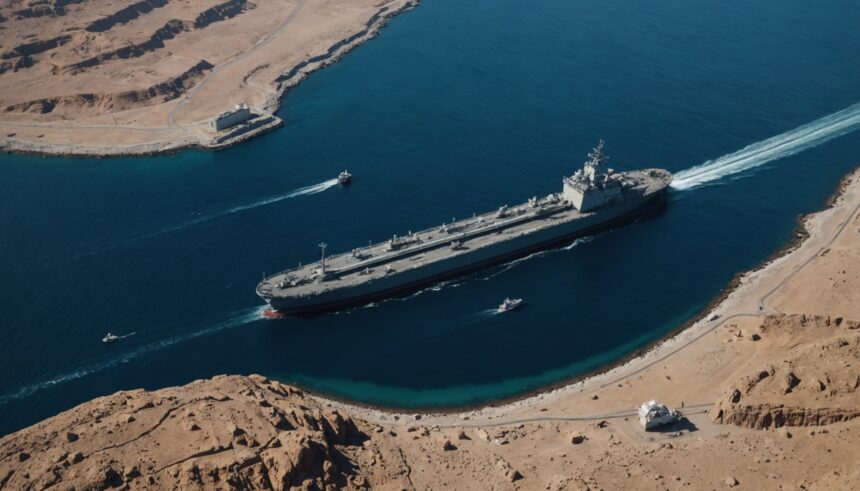
The US Navy escorted an oil tanker through the Strait of Hormuz in the first confirmed operation to release millions of barrels of Middle East crude trapped in the Persian Gulf. A senior naval official posted details of the escort mission before deleting the social media update hours later.
The escort marks Washington’s most direct intervention in Gulf shipping since tensions escalated over Iranian threats to close the strategic waterway. The Strait handles roughly 21% of global petroleum liquids transit, making any disruption a critical concern for energy markets worldwide.
Global Energy Markets at Stake
The key point: Asian economies importing Gulf crude — including India, China, Japan and South Korea — face the highest risk from any Strait closure. These nations collectively import over 15 million barrels daily through the narrow passage.
Energy analysts in Mumbai and Tokyo have warned that prolonged shipping disruptions could push crude prices above $120 per barrel, hitting developing economies hardest due to their higher fuel import dependencies and weaker currencies against the dollar.

📰 Related Articles
⚡ TechSyntro Take
Watch for Iran’s response within 48 hours — likely through proxy maritime harassment rather than direct confrontation. Energy markets will price in a new normal of US naval escorts, potentially keeping Brent crude above $85 through Q2 despite the reopened shipping lane.
📰 Source: Bloomberg Markets · Reported by TechSyntro

By David Okonkwo
Markets & Finance Reporter · TechSyntro
David Okonkwo covers global financial markets, cryptocurrency, and economic policy for TechSyntro. Based in London with a background in financial analysis.
Follow: @DavidOkonkwoTS