



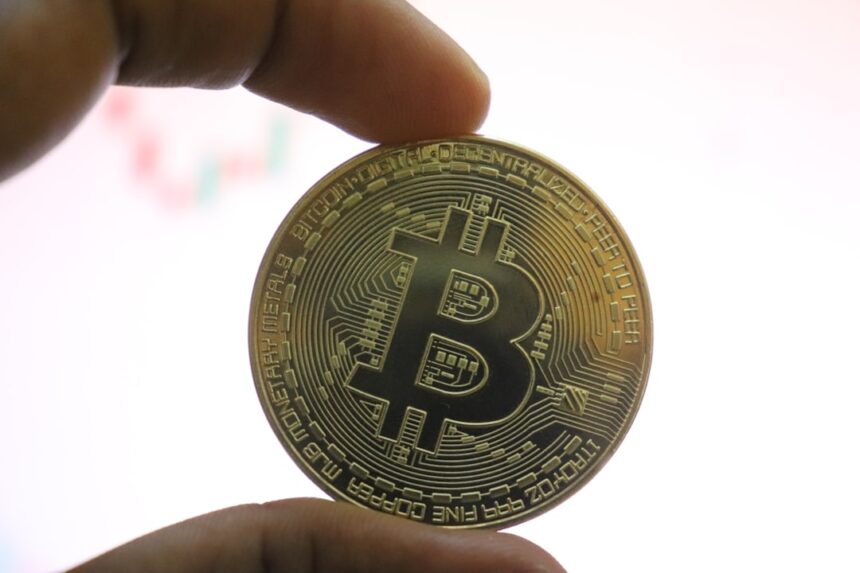
- US Treasury sanctioned DPRK-linked IT operatives accused of facilitating cryptocurrency transfers that generated approximately $800 million for North Korea during 2024.
- The enforcement action targets a sophisticated money laundering network operating across multiple jurisdictions, highlighting how state-backed entities exploit crypto’s cross-border efficiency.
- This marks an escalation in US regulatory focus on crypto’s use by sanctioned entities, with implications for exchange compliance and transaction screening protocols.
New Enforcement Wave Against State-Sponsored Crypto Operations
The U.S. Treasury Department has sanctioned individuals and entities affiliated with the Democratic People’s Republic of Korea (DPRK) for operating an extensive cryptocurrency money laundering infrastructure. The enforcement action specifically targets IT facilitators who provided technical and operational support to networks that moved illicit funds through blockchain channels. These actors exploited the pseudonymous nature of cryptocurrency transactions to obscure the ultimate beneficiary—the North Korean state apparatus seeking to circumvent international economic isolation.
The scale of this operation underscores a critical vulnerability in the current crypto compliance ecosystem. At nearly $800 million in flows during a single year, the scheme represents one of the largest documented state-sponsored cryptocurrency laundering operations to date. The DPRK has consistently ranked among the most prolific users of crypto for sanctions evasion, leveraging blockchain technology to access international financial rails despite traditional banking restrictions.
Technical Infrastructure and Operational Security
What distinguishes this case is the focus on facilitator roles—the IT professionals and infrastructure providers who enabled the operation rather than merely participating in transactions. These individuals developed systems for wallet management, transaction coordination, and mixing protocols designed to obfuscate the source and destination of funds. By targeting the technical backbone, US regulators aim to degrade the operational capacity of future schemes, not merely seize assets.
The network’s sophistication reveals how state-backed entities can leverage commercial cryptocurrency services, custodians, and exchange infrastructure. Many transactions likely moved through multiple platforms and jurisdictions, exploiting regulatory gaps where anti-money laundering protocols remain inconsistent or underfunded.
“The DPRK generated approximately $800 million through cryptocurrency money laundering in 2024, demonstrating the scale of state-sponsored blockchain exploitation.”
Implications for Crypto Compliance and Industry Response
The sanction announcement carries direct operational consequences for cryptocurrency exchanges, custodians, and service providers. Enhanced scrutiny of transaction patterns indicative of mixing or obfuscation becomes essential. Regulated platforms must strengthen their ability to detect and block transfers linked to sanctioned jurisdictions, even when disguised across multiple hops and time delays.

For investors and market participants, the enforcement action reinforces that crypto’s regulatory environment is tightening. Platforms offering weak compliance frameworks face increased liability and reputational risk. Simultaneously, the action highlights persistent gaps: the fact that $800 million moved through the system suggests existing controls remain porous or fragmented across different service providers.
This enforcement wave signals a strategic shift: regulators are now dismantling the technical infrastructure supporting sanctions evasion, not just responding to detected flows. For exchanges and custodians, the message is clear—facilitator liability extends beyond direct transaction participants. We expect increased scrutiny of mixing services, privacy-focused wallets, and custodians operating in jurisdictions with weak AML frameworks. The DPRK’s continued access to $800 million annually also indicates that decentralized exchanges and peer-to-peer channels remain poorly monitored, a challenge likely to drive future policy focus.